
Effective Ways to Repel Pests Using Garlic: Mice, Flies, Lice, Cockroaches, Lizards, Mosquitoes
Natural Pest Control with Garlic: A Safe and Effective Solution for Mice, Flies, Lice, Cockroaches, Lizards, and Mosquitoes
Garlic isn’t just a kitchen staple; it’s also a powerful, natural tool for pest control. Its strong aroma and potent properties make it an excellent eco-friendly solution for repelling pests like mice, mosquitoes, flies, cockroaches, lice, and even lizards. Safe for households with children and pets, garlic offers a cost-effective and chemical-free way to keep your home pest-free. Here’s how you can use garlic to tackle common pests.
1. Garlic Spray for Mosquitoes and Cockroaches
Why It Works: The strong odor of garlic, combined with its natural sulfur compounds, irritates pests’ sensory systems, making it an effective repellent for mosquitoes and cockroaches.
How to Use:
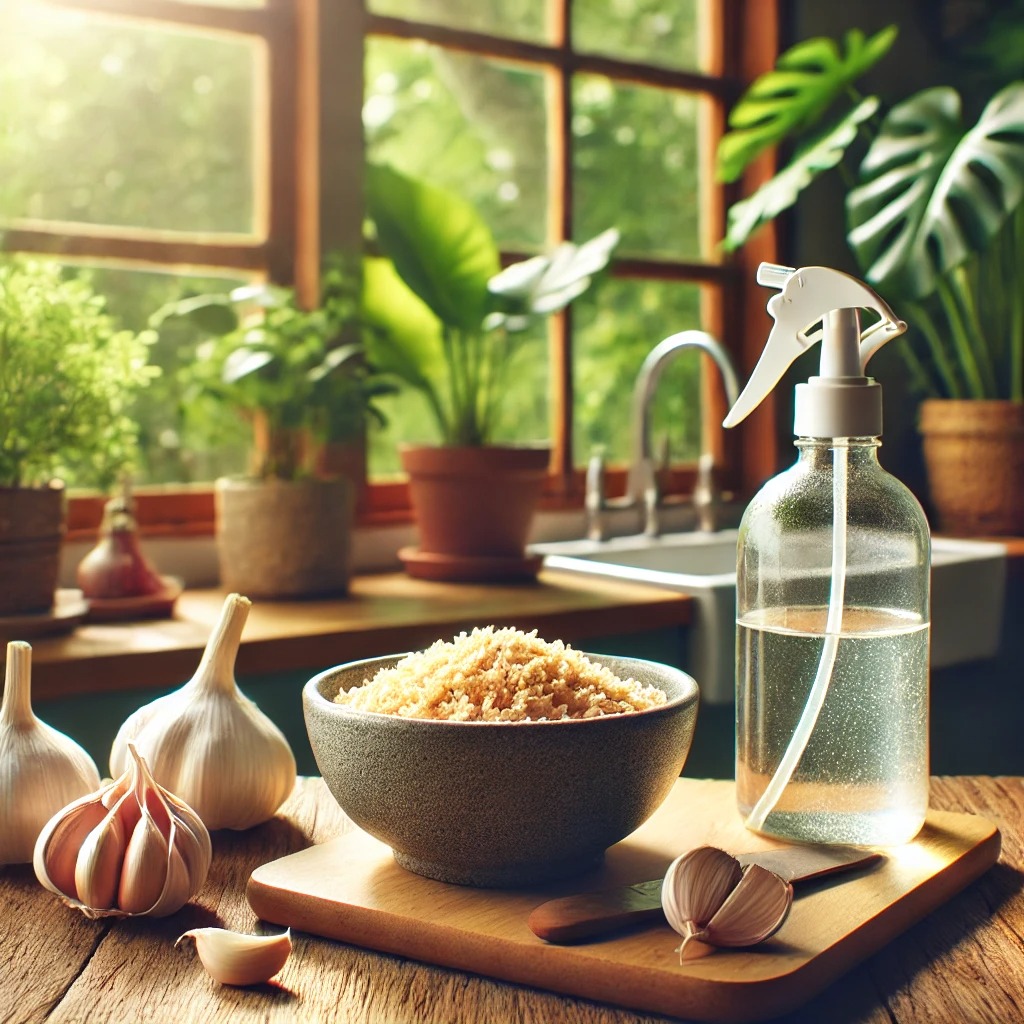
- Ingredients: 3-4 garlic cloves, 1 liter of water, a few drops of liquid soap.
- Preparation: Crush or finely chop the garlic cloves and soak them in water for 24 hours. Strain the mixture and add a few drops of liquid soap to help the solution adhere to surfaces.
- Application: Transfer the solution to a spray bottle and apply it to areas where pests are likely to hide, such as window sills, doorways, or wall cracks.
Benefits: This garlic spray is a safe, non-toxic alternative to chemical insecticides, making it ideal for homes with children and pets.
2. Garlic Powder for Mice
Why It Works: Mice are highly sensitive to strong smells, and garlic’s pungent aroma disrupts their navigation, deterring them from entering your space.
How to Use:
- Ingredients: Garlic powder or crushed garlic cloves.
- Preparation: Sprinkle garlic powder or crushed garlic in areas where mice are active, such as near food storage, entry points, or along the foundation of your home.
- Application: For targeted use, place garlic in small mesh bags and hang them in high-traffic rodent areas.
Benefits: Garlic powder is easy to apply, economical, and safe for households with children and pets.
3. Garlic Pouches for Wardrobes
Why It Works: Garlic’s strong scent repels moths and other fabric-damaging pests, keeping your clothes and wardrobes pest-free.
How to Use:
- Ingredients: 3-4 garlic cloves, small cloth pouches or breathable fabric bags.
- Preparation: Lightly crush the garlic cloves to release their oils and place them inside the pouches.
- Application: Hang the pouches in your wardrobe, drawers, or under your bed to repel pests.
Benefits: Garlic pouches are a mess-free, non-toxic solution for protecting your clothes from infestations.
4. Garlic Pieces for Lizard Entry Points
Why It Works: Lizards dislike the strong smell of garlic, making it an effective natural repellent.
How to Use:
- Ingredients: Whole garlic cloves or crushed garlic.
- Preparation: Place whole or crushed garlic near entry points like windows, doors, or cracks.
- Application: For added convenience, hang small bunches of garlic near potential entry areas.
Benefits: Garlic is a chemical-free way to keep lizards out of your home without harming them or the environment.
5. Garlic to Repel Flies and Lice
Why It Works: The strong aroma of garlic naturally repels flies and lice, making it a safe and effective solution.
How to Use for Flies:
- Ingredients: Crushed garlic, water, mesh bag.
- Preparation: Place crushed garlic in a mesh bag and hang it in fly-prone areas like kitchens or near trash bins.
How to Use for Lice:
- Ingredients: Garlic oil or crushed garlic.
- Preparation: Mix a few drops of garlic oil into your shampoo or apply a garlic paste to your scalp for 10-15 minutes before washing it out.
Benefits: Garlic is a gentle, non-toxic way to repel flies and lice, making it safe for families.
6. Additional Benefits of Using Garlic for Pest Control
- Eco-Friendly: Garlic is a plant-based repellent that doesn’t harm the environment, wildlife, or beneficial insects like bees.
- Cost-Effective: Garlic is affordable and readily available, making it a budget-friendly alternative to commercial pest control products.
- Versatile: Garlic effectively repels a wide range of pests, from insects to rodents and lizards.
Conclusion: Embrace Garlic for a Pest-Free Home
Garlic is a versatile, natural remedy that provides an eco-friendly, safe, and effective solution to pest control. Whether you’re dealing with mosquitoes, cockroaches, mice, flies, lice, or lizards, garlic offers a practical and affordable way to protect your home. By using garlic sprays, powders, pouches, and pieces, you can naturally deter pests without relying on harmful chemicals. Make garlic your go-to solution for a healthier, pest-free living environment!